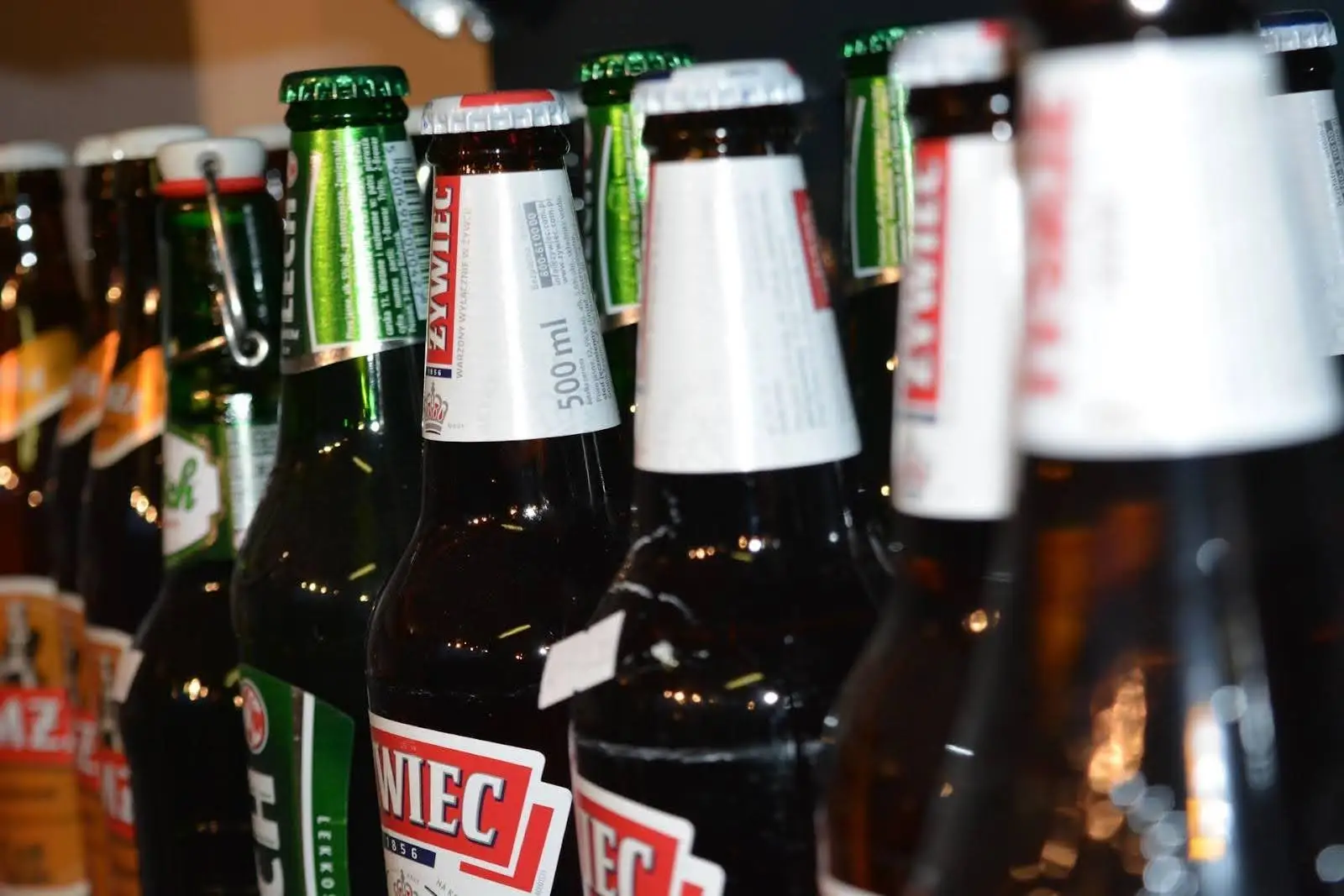

Private label packaging and labeling are two of the most important brand considerations you’ll make. For marketing or brand managers steering store brand products, the retail shelf is a battlefield. On the shelf, your packaging and product label are your brand’s most successful salesperson. It’s the initial handshake, the first whisper of quality, and the critical key to opening a consumer’s wallet. Neglecting the strategic importance of your store brand or private label packaging means surrendering valuable ground.
This article will equip you with a few essential best practices to help you create private label packaging that works as a powerful engine for brand recognition, consumer trust, and ultimately, market success.
The Power of the First Impression in Private Label or Store Brand Marketing
A shopper’s decision-making process is swift and often subconscious. It’s easy to assume that price is the defining factor for many purchases, especially in a retail setting.
Would it surprise you to learn that price is actually the third factor a consumer considers?
The first factor influencing the consumer’s initial choice to consider your product is appearance – the visual allure of the packaging, the quality and interest provided by the label, and how well both align with the consumer’s idea of cost and quality. After your product visually catches a shopper, your brand reputation begins to weigh in: Is this a good brand? Do I trust their products? Only after that do consumers weigh price.
For private label brands, mastering this initial visual impact is non-negotiable. It’s your main opportunity to capture attention, convey value, and distinguish your product from the competitors, including those established national brands.
Why Packaging is More Than Just a Container. Your Label Matters, Too.
While the container protects and presents your product, your product label is the face of your store brand or private label. It’s where your story, identity, and important product information converge. For private label products, a well-designed label starts building recognition and trust.
Choosing the right label manufacturing partner is equally vital. The right label manufacturer is more than another supplier on your spreadsheet – they’re real collaborators who can offer expertise in materials, printing technologies, and innovative finishes that elevate your product’s perceived quality and align with your brand ethos and target consumer, ensuring your brand value is clear, and your product jumps off the shelf.
Beyond Aesthetics: Building Trust and Perception
A high-quality product label is a powerful tool for building brand trust. It communicates attention to detail and a commitment to excellence that shoppers, especially those seeking private label brands, increasingly value.
When a label feels premium, is well-printed, and clearly communicates key information, it subtly reassures consumers that the product within is equally well-made. This perceived quality fosters stronger brand loyalty, making shoppers more inclined to choose your product repeatedly and recommend it to others, directly impacting market success.
Differentiating from National Brands in a Crowded Market
In a crowded market, private label brands have to differentiate to stand out and sell more units. A high-quality label can be one of your most effective differentiators without costing a fortune in marketing dollars. When your product labels visually communicate a premium experience that rivals or even surpasses national brands, consumers choose your product.
Thoughtful design, superior materials, and a compelling logo can create a distinct brand identity. Making sure to choose a label printing partner that has the technology to print and realize your visual elements in a tangible format is the next step.
This strategic branding effort and label partnership help your store brand products carve out their own niche, attracting shoppers who may have previously overlooked private label or store brand options due to perceived lower quality.
By the Numbers: How Packaging Influences Shopper Purchase Decisions
Packaging wields significant influence over shopper purchase decisions. Research indicates that 72% of buyers say packaging design influences purchase decisions, highlighting its critical role on the retail shelf.
Beyond aesthetics, the packaging must also convey key information efficiently and build immediate trust. A well-executed package can create an impulse buy that converts a shopper into a brand believer. Poor design or shoddy label execution will lead to lost sales, especially in the competitive private label and store brand space, where consumers may be more price-sensitive but still expect quality.
Furthermore, in the e-commerce realm, 60% of consumers are unlikely to make a repeat purchase from an online retailer if they receive a poorly packaged or badly labeled item, underscoring the lasting impact of packaging on customer retention, customer satisfaction, and brand loyalty.
4 Best Practices for Impactful Packaging Design for Immediate Connection
Even small changes and enhancements in packaging design or product label printing can lead to significant boosts in brand perception and, consequently, sales. Attractive, functional, and well-designed packaging has become an integral part of the product itself, often making the difference between a one-time purchase and a loyal customer.
Use these four best practices to make sure you’re packaging and labeling your store brand or private label products in the best way possible.
Your Label Should Communicate an Understanding of Your Target Audience and Market Insights
Effective private label packaging design begins with a deep understanding of your target audience and market insights. Your label must be designed with the intended buyer in mind, reflecting their values, aspirations, and preferences.
What does that buyer care about most – is it convenience, efficacy, value, or perhaps organic and sustainable attributes? Your label material and design should directly answer these questions. For instance, consumers seeking organic products expect packaging that signals naturalness and purity, potentially favoring matte finishes and eco-friendly materials.
Your Label Should Help Define Your Brand’s Unique Visual Identity and Story
Private label products and store brands need to establish a distinct product brand with a clear visual identity and compelling story. This goes beyond a simple logo; it involves creating a cohesive look and feel that communicates your brand’s promise. This identity should be consistently applied across all packaging elements, from the color palette and typography to imagery and messaging.
A well-defined brand story, communicated through packaging, helps consumers connect with your product on an emotional level, fostering brand loyalty and setting you apart.
Labels Should Have Clear, Transparent, and Compelling Product Communication
Product labeling requires careful consideration of numerous factors. This includes meeting legally required product information, such as ingredients, net weight, and warnings.
Certifications like organic or non-GMO badging are crucial for specific product categories and consumer trust. Packaging must also consider functional requirements like childproofing or the need for easily removable labels. Ensuring clarity and transparency in all messaging is paramount for building consumer confidence and avoiding confusion, ultimately enhancing the customer experience.
Your Labels Have to Balance Cost, Product Protection, and Brand Ethos
Choosing the right materials for your private label packaging is a strategic decision that impacts cost, product protection, and your brand’s ethos. Different product categories demand different material properties; for example, oily products need labels with special finishes to withstand grease.
Partnering with a reputable private label supplier and leveraging advanced production technologies allows you to balance these competing needs effectively. This collaboration can help you source materials that are not only cost-effective and protective but also align with consumer demand for sustainability, a critical factor in today’s market.
The global sustainable packaging market is substantial, projected to reach USD 594.46 billion by 2035, demonstrating a clear consumer preference. Indeed, 90% of consumers are more likely to buy from brands with sustainable packaging.
The right label manufacturer will work with you to hit your label cost, quality, and material goals. Oftentimes, label manufacturers have access to technology and materials that can cut the cost of your label on a per-piece basis, without sacrificing quality.
Measuring the Impact: The ROI of Excellent Private Label Packaging
Evaluating the success of your packaging and label choices requires tracking key metrics that demonstrate tangible market success and brand loyalty. As a brand manager or marketing director, focus on data that shows direct impact. You can read more about the ROI of great labels here, if you’re ready for a deep dive.
Key metrics to track include:
- Sales Volume & Growth: An increase in unit sales and overall revenue.
- Market Share: The percentage of the market your private label product captures.
- Customer Retention Rate: Repeat purchases indicate satisfaction and loyalty.
- Online Reviews & Ratings: Positive reviews often mention packaging and product quality.
- Social Media Engagement: Shares and mentions related to your product’s packaging or unboxing experience.
- Return Rates: Lower return rates can suggest that the packaging effectively protects the product.
- Brand Perception Studies: Gauging how consumers perceive your brand’s quality and values.
Master Your Brand’s First Impression, Master Your Market
Mastering your brand’s first impression through strategic private label packaging isn’t just about aesthetics; it’s a fundamental driver of market success.
By understanding your target audience, crafting a compelling visual identity, and selecting appropriate materials with a focus on important factors like sustainability, legal requirements, and cost per piece, you can build trust, foster brand loyalty, and significantly influence shopper purchase decisions.
The global private label market was valued at $915.1 billion in 2024. Suffice it to say, you have competition. Exceptional packaging and compelling labels are your key differentiators and a powerful engine for sustained growth.
We can help you hit your goals for cost, quality, and increased sales volume. Reach out to our team for a fast, easy quote for your next run of labels.
Frequently Asked Questions
Why is private label product packaging important for brand recognition?
Private label packaging is crucial for brand recognition because it is the primary visual representation of your brand on the shelf. It’s the first point of contact shoppers have with your product, and a well-designed, consistent package helps build familiarity and memorability, distinguishing your private label brand from others and fostering initial customer trust.
What regulations should be considered when creating private label packaging?
When creating private label packaging, there are several industry regulations concerning product labeling, ingredient disclosure, net weight, country of origin, and specific industry standards (e.g., for food, pharmaceuticals, or cosmetics) that must be rigorously followed. Certifications like organic or non-GMO also require adherence to strict guidelines. Supplements and vitamins have strict FDA labeling requirements. Child-resistant packaging is mandated for certain product types to ensure safety.
How can companies optimize sustainability in private label packaging?
Companies can optimize sustainability by using recyclable, compostable, or biodegradable materials, reducing excess packaging, and choosing suppliers committed to ethical and environmentally friendly production practices. Consumers are increasingly drawn to brands with sustainable packaging, making it a strategic advantage. The sustainable packaging market continues to grow significantly.
What role does packaging design play in the success of private label products?
Packaging design plays a pivotal role in the success of private label products by influencing shopper purchase decisions, communicating brand value, and differentiating products in a crowded market. It is a key factor in creating a positive first impression, building consumer trust, and driving repeat purchases, contributing directly to overall market success.
How does private label packaging impact customer perception and sales?
Effective private label packaging positively impacts customer perception by conveying quality, trustworthiness, and alignment with consumer values (e.g., sustainability, organic). This enhanced perception directly leads to increased sales, as shoppers are more likely to purchase a product that looks appealing and trustworthy. Conversely, poor packaging can lead to negative perceptions and lost sales, impacting customer retention and overall brand loyalty. The growth of e-commerce packaging further highlights packaging’s impact on the sales funnel.