
Getting labels for your beverage business is a five-step process that moves from material and design choices to finding a digital label manufacturer that accepts small order sizes and can help you achieve cost, quality, sustainability, and presentation goals. Here’s the process in a nutshell:
- Choose the Right Material for Beverage Labels
Most beverages get wet, cold, and handled. For most beverages, you should choose plastic-based materials, like BOPP; it’s the industry standard for beverage labels. BOPP stands for Biaxially Oriented Polypropylene, which is waterproof, oil-resistant, and won’t fall off in ice or condensation. You can choose from clear, white, or even metallic BOPP. PET, or Polyethylene Terephthalate, is another option for plastic labels – even more resistant to tearing, moisture, chemicals, and extreme temperatures.
For drinks that aren’t expected to make much contact with ice, water, or condensation, like red wines, you can include paper label options in the running.
- Pick an Appropriate Finish or Coating
A laminate is a protective coat that goes over your printed design to protect the ink from scratches and water. There are also options like textured varnish, UV coating, and foil stamping that could suit your beverage labels.
- Set Up Your Design Files Correctly or Work With a Label Manufacturer Who Offers Design Services
You’ll need your artwork set up in a very specific way. If you do it wrong, your text might look blurry or get cut off, wasting time and materials. You’ll want to:
- Use Vector Files: Save your design as a PDF, AI, or EPS file. Do not use low-resolution JPEGs.
- Add a Bleed Line: Extend your background color 1/16th of an inch past the actual edge of the label. This ensures you don’t get ugly white lines if the cutting machine shifts slightly.
- Use CMYK Color Mode: Computers use RGB colors to show designs on screens, but printers use CMYK inks. Design your artwork in CMYK so the printed colors match what you see on your monitor.
- Find the Right Label Printing Partner or Beverage Label Manufacturer
Most beverage brands and producers don’t invest in their own expensive label printers. Sticker companies aren’t label companies – so going the DIY/order online route is a risk. Look for a printer that specializes in label manufacturing, especially digital label printing. Digital printing doesn’t require expensive setup plates, which keeps costs low for small batches!
When searching for a partner, look for these features:
- Low or No Minimums: Find a printer that lets you order as few as 50 or 100 labels per flavor.
- Short-Run Variety: Digital label printing services with a label manufacturer allow you to print different labels in the same run. For a brewery, that could look like 500 IPA labels, 500 Stout labels, and 500 Cider labels in the same order without charging you extra – or any – setup fees.
- Sample Packs: Most good beverage label manufacturers will mail you a free packet of material samples so you can touch them and test them on your bottles before buying.
- Design Help: If you need help designing your labels, be sure to find a label manufacturer who has the experience and expertise to guide you through the process.
- Turnaround times: Your beverages might need to hit shelves within a certain time period for freshness, seasonality, or just plain product flow. Make sure you choose a partner who can get your labels delivered right when you need them.
- Get a Quote, Make Your Order, and Apply Your Labels
- Get a quote: Label manufacturers should be able to send you a fast, free quote to help you get an idea of the cost for your products.
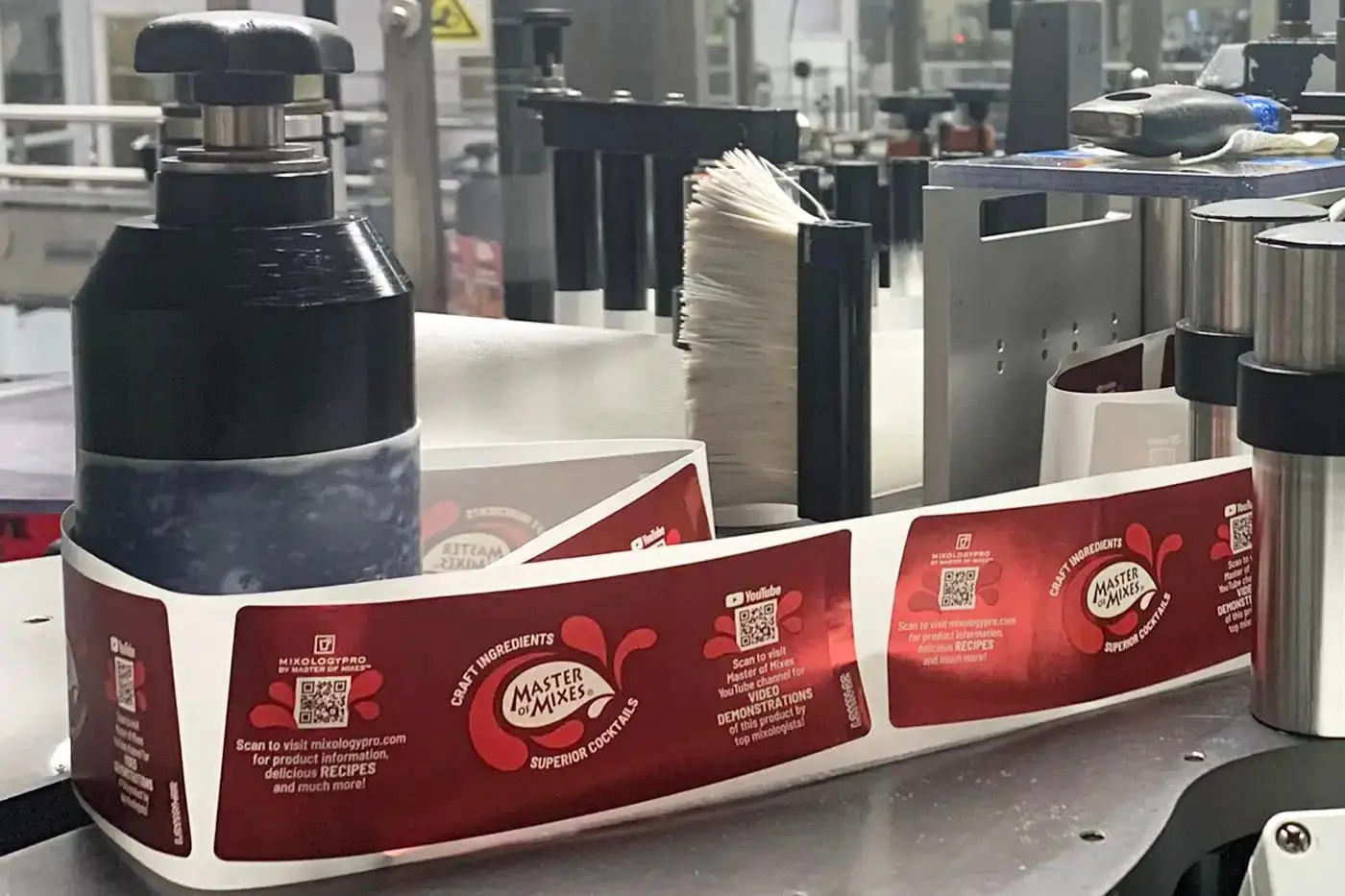
- Sheets vs. Rolls: If you’ll be sticking labels on by hand, ask for sheets. If you are using a labeling machine, order your labels on rolls. Don’t forget to ask your packaging team which way the labels need to unroll (top first, bottom first, left first, or right first) so they feed into the machine correctly!
- Make your order: Once you have a label design and a label manufacturing partner picked out, make your label order – be sure to check those turnaround times.
- Apply your new labels: Get your labels to the production line and watch your products come to life.
Get a quote for your beverage labels
Get on the shelf and in front of your consumers faster! Epsen Hillmer has been producing custom beverage labels for over 100 years. Our Midwest location makes it easy to quickly ship your labels to packaging centers anywhere in the U.S. Start your fast, free quote today!
“Always responsive, professional, reliable.”
Epsen Hillmer’s custom beverage labels help brands stand out on the shelf and sell more units. With 118 years of experience in product label manufacturing, we’re the best beverage label printing partner in the US.
“We’ve been working with EHG for a few years now for our beverage labels. Always responsive, professional, reliable, and detail-oriented. They provide us a very good service.”
Rubens Taveira, Marketing Director, Iberia Foods
What material should I use for my beverage labels?
Custom beverage labels printed on plastic-based materials keep your labels intact and looking great for breweries, wineries, and beverage brands that need high-quality labels that stand up to moisture.
Beverages are typically stored in humid walk-in coolers or ice buckets. Standard paper labels will absorb moisture, leading to the “soggy label” effect. BOPP (Biaxially Oriented Polypropylene) is fairly standard for craft beer and chilled beverages. It’s water-resistant, oil-resistant, and reasonably tear-proof, making it superior to standard paper for products prone to condensation.
PET (polyethylene terephthalate) is another possible material for your beverage labels, especially as the underlying film backing. It’s ideal for high-speed production and extreme environments. PET resists moisture, handles temperature swings from the freezer to warm storage without curling or degrading, and withstands high-speed machine application better.
Paper labels are sometimes an option, especially for vineyards that need wine bottle labels for red wine. The right label manufacturer can help you pick the right materials for your unique application.
What kind of finishes and coatings can I use on my beverage labels?
A glossy UV coating provides high-impact shine, while matte laminates offer a premium, tactile feel. Weatherproof coatings are non-negotiable for products destined for ice-filled retail displays. There are also a number of “look and feel” enhancing options. For beverage labels, coatings and finishes should be chosen based on the beverage’s ultimate destination.
- In the cold case: to withstand moisture, condensation, and handling, apply protective gloss or matte Laminates for a tough plastic barrier
- Headed for the cooler or ice bucket: Use UV varnishes to prevent ink from smearing and fading.
- Premium pricing or high-end consumer-bound: you can elevate your brand on the shelves with these finishes:
-
- Spot UV Coatings: Add a glossy finish to specific elements (like your logo or brand name) while leaving the rest of the label matte, creating a high-contrast, tactile effect.
-
- Soft-Touch Matte: This premium, velvety finish feels soft in the hand and reduces glare for a sophisticated, high-end look.
-
- Embossing/Debossing: Creates a raised (embossed) or pressed-in (debossed) 3D texture on specific parts of the label to create a premium feel, especially for wine labels and craft spirit labels.
-
- Hot Stamping (Foil): Applies heated metallic foils to give a shiny, reflective depth to text or design elements.
-
- Textured/Grit Varnish: Adds a tangible, rough, or 3D grit texture to the label, which can set your brand apart on craft beer or specialty cans
How should I design my beverage labels?
Label design is a big step. First, your logo and color palette must command attention. When working on the layout, visual hierarchy is key: ensure that the product name and key details are legible from several feet away.
Next, consider shape. Custom die-cutting allows your bottle to feature unique label silhouettes. While this adds visual interest, you should ensure the shape is compatible with your application machine or process to prevent wrinkling.
You’ll need your artwork set up in a very specific way. If you do it wrong, your text might look blurry or get cut off, wasting time and materials. You’ll want to provide artwork in vector formats like AI, EPS, or high-resolution PDF. Vectors remain crisp at any size, ensuring your brand identity remains sharp during the printing process.
Work with your label manufacturer or try printer-provided templates to account for “bleed”—the area that extends past the cut line. This prevents unsightly white gaps, even if the cutter shifts slightly during production.
Don’t forget to use the correct color format. Computers use RGB colors to show designs on screens, but printers use CMYK inks. Design your artwork in CMYK so the printed colors match what you see on your monitor.
How do I make sure my labels comply with alcohol regulations?
For breweries, wineries, and craft spirit companies, compliance is a can’t-miss step when it’s time to design and print your beverage labels.
The TTB (Alcohol and Tobacco Tax and Trade Bureau) mandates specific font sizes and placement for government warnings and mandatory information.
Key Elements for Alcohol Label Approval
Before going to print, your beverage labels need to include all federally required information. This typically involves the brand name, class, and type of the product (e.g., beer, wine, or distilled spirits), alcohol content, net contents, and a government warning statement. Each element must be presented in a specific manner as guided by the TTB, often requiring approval via a Certificate of Label Approval (COLA).
In addition to TTB guidelines, you must adhere to state-specific regulations, which can vary widely. Some states have additional requirements such as recycling logos, bar codes, or control numbers. It’s crucial to research and comply with these regional variations to avoid penalties or product recalls.
Both the TTB and state authorities often demand certain fonts and sizes to ensure that mandatory information is legible under usual purchasing conditions. Consider contrast and color choices that enhance readability, keeping consumer safety and comprehension at the forefront.
Who should I partner with to print my beverage labels?
You should print your beverage labels with a specialized flexographic or digital printer that uses water-resistant materials, offers design help, and has a good plan for storage and delivery of your materials.
Because beverage labels require specific adhesives (e.g., wet-strength paper or polypropylene film) and must comply with strict FDA or TTB regulations, you should avoid standard office or home printers. Sticker companies aren’t a good option, either – they generally don’t have the expertise needed to make sure your labels are quality, compliant, and delivered on time.
The printer you choose should be able to handle both high-volume production and short-run or small-quantity orders. They should have both flexographic and digital printing options. Make sure they offer the finishes and coatings you need, and they should have a rigorous QA process on their line to make sure you get exactly what you’ve ordered.
Trust Epsen-Hillmer Graphics for your beverage label production
Epsen Hillmer has been printing beverage labels of all kinds for businesses of all sizes since 1908. For nearly 120 years, our family-owned business has been an independent label printer – committed to personal attention, flexibility, and direct lines of communication from your business to ours. Our Midwest location makes it easy to quickly ship your labels to packaging centers anywhere in the U.S. From small label runs to large-scale needs, we provide a cost-effective solution for your product labels. Rest assured, we can handle your entire project.
Creating Labels of Distinction Since 1908

Get a quote for your beverage labels
Get on the shelf and in front of your consumers faster! Epsen Hillmer has been producing custom beverage labels for over 100 years. Our Midwest location makes it easy to quickly ship your labels to packaging centers anywhere in the U.S. Start your fast, free quote today!
Frequently asked questions about beverage labels
What are the mandatory FDA requirements for non-alcoholic beverages?
The FDA requires five core elements on your label: a statement of identity (the product name), net quantity of contents, the ingredient declaration (in descending order of weight), a nutrition facts panel, and the name/place of business of the manufacturer, packer, or distributor. Complete, detailed requirements can be reviewed in the FDA Food Labeling Guide. Don’t forget to disclose allergens: The FDA mandates clear disclosure of major food allergens (milk, eggs, fish, shellfish, tree nuts, peanuts, wheat, soybeans, and sesame.)
What are the unique labeling rules for alcoholic beverages?
Alcohol falls under the Alcohol and Tobacco Tax and Trade Bureau (TTB). You will likely need to go through the Certificate of Label Approval (COLA) process. Mandatory requirements include the brand name, class/type designation, net contents, name and address, country of origin, and the mandatory government health warning statement.
Should I put nutrition information on alcohol labels?
That’s generally voluntary unless you’re making a specific calorie or carbohydrate claim – low calorie, low carb, etc. TTB provides guidelines on the exact formatting required for statements of average analysis.
How can I make my brand stand out on crowded retail shelves?
Competition is fierce, so many premium brands invest in special label finishes. Popular advanced finishes include foil stamping, embossing, debossing, spot UV, matte varnishes, and textured coatings.
What is “misbranding” and how do I avoid it?
Misbranding is a major legal risk. It includes false or misleading statements, omitting material facts, using confusing container shapes (slack fill), or violating technical FDA/TTB labeling requirements. Avoid unverified functional or health claims, as these invite competitor lawsuits and regulatory enforcement.
What label materials are best for beverages?
BOPP and PET are the industry-standard materials for beverages. The stock must be durable enough to survive condensation, ice buckets, and temperature fluctuations without degrading, peeling, or wrinkling. Ensure your print partner is matching the adhesive and material to your specific storage environment (e.g., chilled and refrigerated vs. room temperature)
What are Minimum Order Quantities (MOQs) and turnaround times?
MOQs vary greatly among printers. If you are running small, seasonal batches or testing new markets, look for print partners who specialize in short-run digital printing (e.g., 100 to 1,000 units). Epsen Hillmer can help with order quantities as small as 100 labels and as large as tens of thousands.
About Epsen Hillmer Graphics
Epsen Hillmer Graphics has been printing high-quality labels since 1908. Our arsenal of label printing solutions, along with our proven expertise, allows us to create ideal beverage labels to fit our clients’ unique needs – and budgets.
Epsen Hillmer Graphics can print labels in small quantities for small brands or large multi-SKU orders in the hundreds of thousands for the biggest brands on shelves today. Whether you’re a small business developing private-label products or a national brand managing large print runs, our team has the flexibility and equipment to meet your unique labeling needs efficiently.
What began as a small print operation in Omaha, Nebraska, has grown into a nationally recognized label printing company known for precision, creativity, and exceptional service. Over the decades, we’ve embraced new printing technologies while preserving the same values that have defined us for more than a century — accountability, authenticity, and dedication to our craft.
Epsen Hillmer offers digital printing, lithographic printing, and flexographic printing options for labels of all kinds. With over a century of experience, we combine craftsmanship, technology, and integrity to deliver labels that truly represent each brand. Our focus on quality, consistency, and service sets us apart in the label printing industry.