
Custom beverage labels can be a make-or-break tool for smaller beverage brands. When you’re not backed by a multi-million dollar marketing campaign, the retail cold case is a high-stakes arena where your drink has roughly three seconds to make an impression. From a crowded shelf, consumers are bombarded with visual noise, and the decision to pick up a bottle or can is mostly subconscious.
Your packaging is the most potent, cost-effective sales tool in your arsenal. To transform your independent brand into a shelf-stopper, you need what we call “Labels of Distinction,” custom-printed to embrace a strategy that treats the label as a critical financial asset.
The Battle for the Shelf: Why the First 3 Seconds Matter
The Silent Salesperson: Your Brand’s Final Touchpoint
Your label serves as a silent salesperson, interacting with the customer when your marketing team is nowhere near the point of purchase.
While digital ads or social media campaigns drive awareness, the label closes the deal in real life. A high-quality label effectively communicates your brand identity, flavor profile, and ethos in a single glance. It bridges the gap between digital expectations and physical reality, ensuring that the promise made by your brand is delivered the moment the customer picks up the product.
Why Independent Brands Must Out-Design Market Giants
Market giants (you know who we mean) often rely on established legacy, high marketing budgets, and massive distribution networks to maintain shelf presence.
Independent brands, by contrast, must rely on agility and superior design to capture attention. Investing in custom beverage label printing allows small players to produce labels that match their exact design vision, from vibrant color accuracy to intricate details. By leveraging a partner’s professional design and high-end printing capabilities, independent brands can project a level of sophistication that makes the consumer perceive the small brand as superior to mass-market competitors.
The “3-Second Rule” of Consumer Psychology
Consumer psychology suggests that shoppers navigate the aisle by filtering out the familiar and gravitating toward the novel. If your label fails to convey your unique value proposition within three seconds, you lose the sale.
This is why typography, hierarchy of information, and color psychology are so vital. A cluttered, poorly designed, or badly printed label suggests a subpar product. A clean, intentional design with quality printing that feels good in the hand signals value.
Beyond Sight: Using Tactile Elements to Trigger Premium Perception
When a customer moves from looking at a product to physically holding it, the first “moment of truth” occurs. This tactile interaction is where you either cement the sale or lose it. The physical feel of the label provides immediate, subconscious cues about the quality of the beverage inside. If it’s sticky, smeary, peeling, or falling off… your bottle or can is going back on the shelf.
The Psychology of Touch in Custom Beverage Labels
Humans are tactile creatures. The texture of a label can significantly alter the perceived value of a drink. A peeling, flimsy label suggests a budget-friendly or generic product, whereas a textured or substantial label triggers an association with luxury. This “haptic marketing” allows you to influence the consumer’s expectations before the bottle is even opened.
Elevating Your Brand with Embossed Text and Raised Textures on Your Beverage Labels
Embossing creates physical dimension, drawing the eye and the fingers toward your logo or brand name. Raised textures add a layer of complexity that feels premium to the touch. This subtle detail separates your product from flat, printed alternatives, effectively creating a “sensory hook” that encourages the customer to pause and inspect the bottle more closely.
Catching the Light: Foil Accents and Spot Varnishing
Reflective elements like foil stamping are powerful tools for standing out in the low-light environments of refrigerators. Gold, silver, or holographic foils draw the eye by catching ambient light, creating a glimmer that signals prestige. Combining this with spot varnishing—which applies a glossy finish only to specific areas—creates a high-contrast visual experience that screams quality.
Choosing Between Matte Labels and Glossy Labels for Brand Positioning
The finish of your label dictates the brand “vibe.” Matte labels feel modern, artisanal, and grounded; they are excellent for craft brands that want to emphasize a natural or premium, understated quality. Glossy labels, by contrast, offer high energy, vibrance, and durability. These are ideal for brands that need to pop against a busy background or require a more technical, industrial look. Your choice should align with your target audience’s aesthetic preferences.
Choosing a Label Manufacturer With All the Capabilities You Need
Not all printing services are created equal. You need a beverage label manufacturing partner that offers a comprehensive suite of finishing options, including digital and flexographic presses. A top-tier manufacturer will guide you through the process, ensuring that your choice of substrates, varnishes, and foils integrates perfectly with your branding strategy – and your budget.
Don’t settle for a supplier that limits your creative vision; look for a partner capable of executing complex, multi-layered designs and helping you align your choices with a cost per piece that works for your bottom line.
Material Science: Choosing Substrates That Survive the Cold Chain

If your label falls off in a refrigerator or dissolves in a cooler, your brand credibility disappears instantly. The “cold chain” is the ultimate test of your packaging’s integrity.
The “Peel and Smear” Risk: Why Material Choice is a Branding Decision
Using the wrong material or printing method can lead to a branding disaster. Condensation in a cold case can easily turn paper labels into soggy, peeling messes. This is known as the “peel and smear” risk. Choosing the wrong adhesive or materials for your beverage labels substrate is a technical oversight that the right label manufacturer should help you prevent. Otherwise, it’s a direct blow to your brand identity. You need materials engineered to withstand moisture, friction, and temperature fluctuations – and a partner who understands how to help you choose.
Water-Resistant and Waterproof Materials (BOPP and PP Clear Films)
For cold-chain products, BOPP (Biaxially Oriented Polypropylene) or PP (Polypropylene) films are industry standards. These materials are inherently moisture-resistant, ensuring that your label remains crisp and intact even when submerged in an ice bucket or refrigerated for days. They offer the perfect balance of durability and print quality, making them essential for high-end beverage brands.
The “No-Label Look:” Clear Labels and Transparent Designs
The “no-label look” is achieved using clear films that make the design appear as if it is printed directly on the glass or plastic bottle. This is incredibly effective for drinks with vibrant colors or unique inclusions. It’s also a great way to convey purity in your beverage; labels for bottled water brands use this technique often. It provides a clean, premium aesthetic that allows the product itself to become part of the branding, creating an open and honest connection with the consumer.
Sustainability in Packaging: Biodegradable Materials and Recycled Content
Today’s consumers are increasingly eco-conscious. Incorporating sustainable materials, such as biodegradable films or post-consumer recycled paper, is a powerful way to align with your target audience’s values. When you prioritize sustainability, you not only protect the environment but also enhance your brand’s reputation as a forward-thinking, responsible producer.
Navigating the Technical Landscape: From Startup to Scaling Your Beverage Brand

Transitioning from a small startup to a national retailer-ready brand requires a shift in how you view production costs and logistical efficiency.
Small-Batch Flexibility vs. High-Speed Production Costs
Independent brands often face a dilemma: they need small quantities at first, but require efficiency as they scale. Digital printing is ideal for small batches, allowing for multiple SKUs and seasonal designs without massive setup fees. As you scale, you can transition to flexographic printing for high-speed, cost-effective production. A good label manufacturing partner will manage this transition, helping you maintain consistency across different print methods.
Digital labels offer unmatched flexibility for customization and quick turnarounds. Flexographic labels are superior for long runs, providing consistent color and specialized finishing capabilities at a lower cost per unit. Understanding when to switch between these services is key to maintaining your profit margins while ensuring the highest possible quality for your labels.
Industry-Specific Considerations for Independent Brands
Every beverage category has unique packaging demands. Your label must be as specialized as the liquid inside the bottle.
Craft Brewery and Distillery Needs: Beer Cans vs. Spirits Bottles
Beer cans require flexible, heat-resistant labels that can accommodate the condensation of a cold can. Spirits bottles, however, often demand thicker, textured, or embossed labels that suggest a premium, craft nature. In both cases, the labeling must resist the specific storage environment of the product.
Ready-to-Drink (RTD) Cocktails and the Rapidly Evolving Marketplace
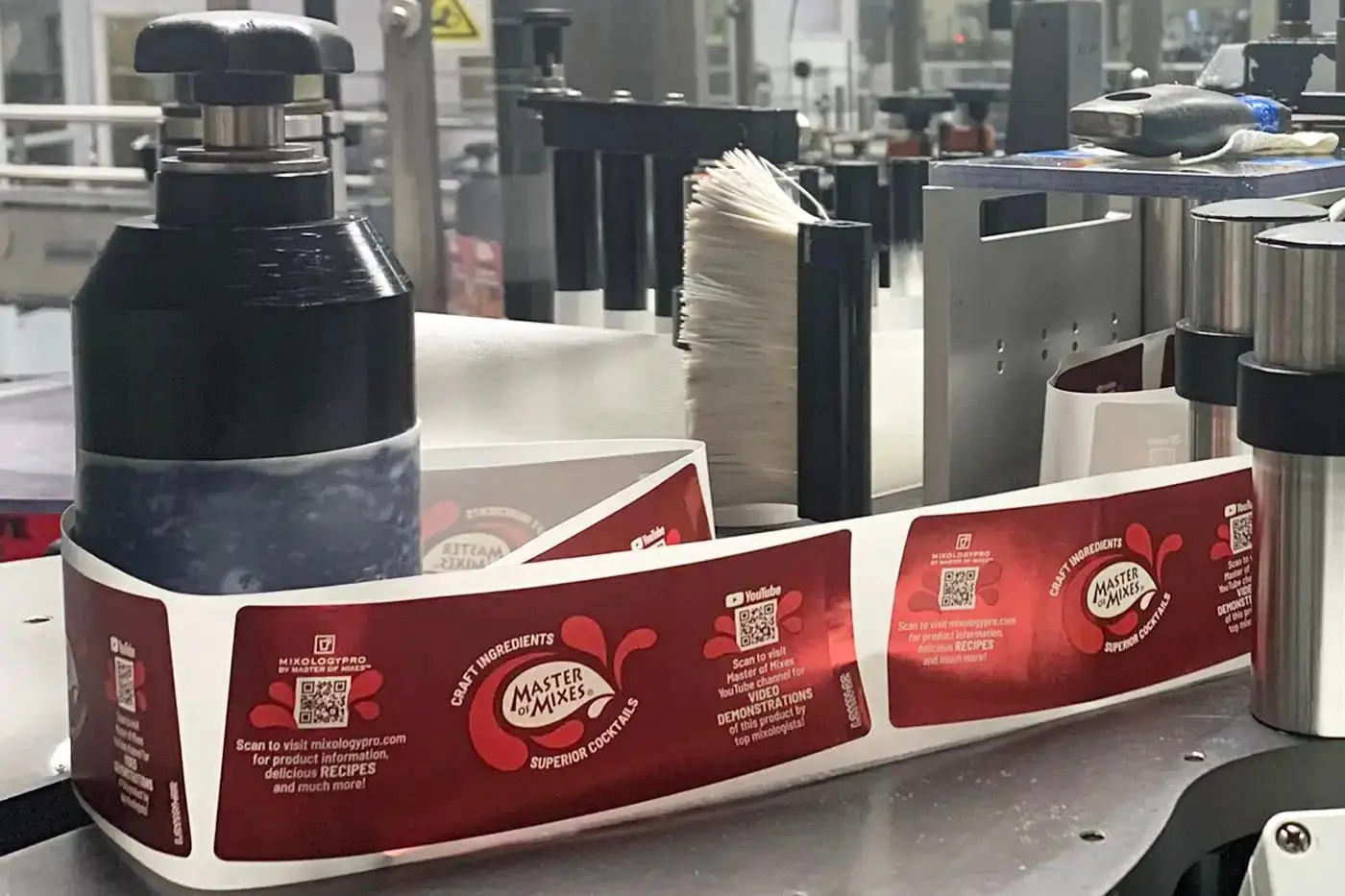
The RTD market is arguably the most competitive, with new brands launching constantly. These products rely heavily on bold, innovative packaging to cut through the noise. Integrating a QR code onto the label can be a game-changer here, allowing you to link directly to cocktail recipes, the brand’s story, or a social media community, turning passive buyers into engaged brand advocates.
The Custom Wine Label: Traditional Texture Paper vs. Modern Films
Wine is a tactile, sensory experience. Traditional texture papers evoke a sense of heritage and artisanal craftsmanship. However, modern brands looking to appeal to a younger demographic might opt for high-quality films that allow for brighter, more complex graphics while still feeling substantial to the touch.
Labels for Water and Soft Drinks That Differentiate in a Crowded Cold Case
For mass-consumption beverages like water or soft drinks, shelf-impact is everything. Because the product itself is often clear, the label must carry the entire weight of the brand identity. Using metallic finishes or die-cut shapes can make your bottle look entirely different from the competition, even if the beverage inside is similar.
The Right Beverage Label Printer Makes Your Label a Scalable Business Asset
Your beverage label is not merely a legal requirement for listing ingredients; it is a high-impact financial asset and the main ambassador of your beverage brand.
By incorporating the fundamentals of material science, tactile design, and strategic brand positioning, the right custom beverage label manufacturer can help you transform your packaging into a powerful tool that drives sales.
The right beverage label printing company acts as an extension of your team. Their experts offer not only technical expertise but also cost-control advice, helping you optimize your labels for speed, durability, and brand impact. Choosing the right partnership now prevents costly reprints and brand dilution in the future. Treat your labeling as a long-term investment, and the dividends will show in your bottom line.
Since 1908, the team at Epsen Hillmer has been helping small beverage brands stand out on the shelf. We partner with brands like Cut Spike, Master of Mixes, Sue Bee Honey, Great Value juices, Kirkland, and Badger Beverages – helping businesses of all sizes control costs and get the Labels of Distinction they need to succeed on the shelf.
To see how our family-owned business can help your beverage brand grow, take 30 seconds to request a quote from our team. We’ll help you get labels that work for a price you can afford.
Frequently Asked Questions
Custom labels allow you to own your brand’s unique visual language. In a market where products often look similar, a custom label acts as a visual shorthand for your identity, making it easier for customers to find and identify your product repeatedly.
Quality labels signal quality products. Through the use of embossing, foil, and premium materials, you can create a shelf-stopper that looks more expensive and sophisticated than mass-produced competitors, winning the “first moment of truth.”
The primary challenges include extreme competition for shelf space, the “cold chain” survival, and the high cost of customer acquisition. A well-executed label addresses all three by maximizing shelf-impact, ensuring durability, and serving as a low-cost, high-conversion marketing channel.