
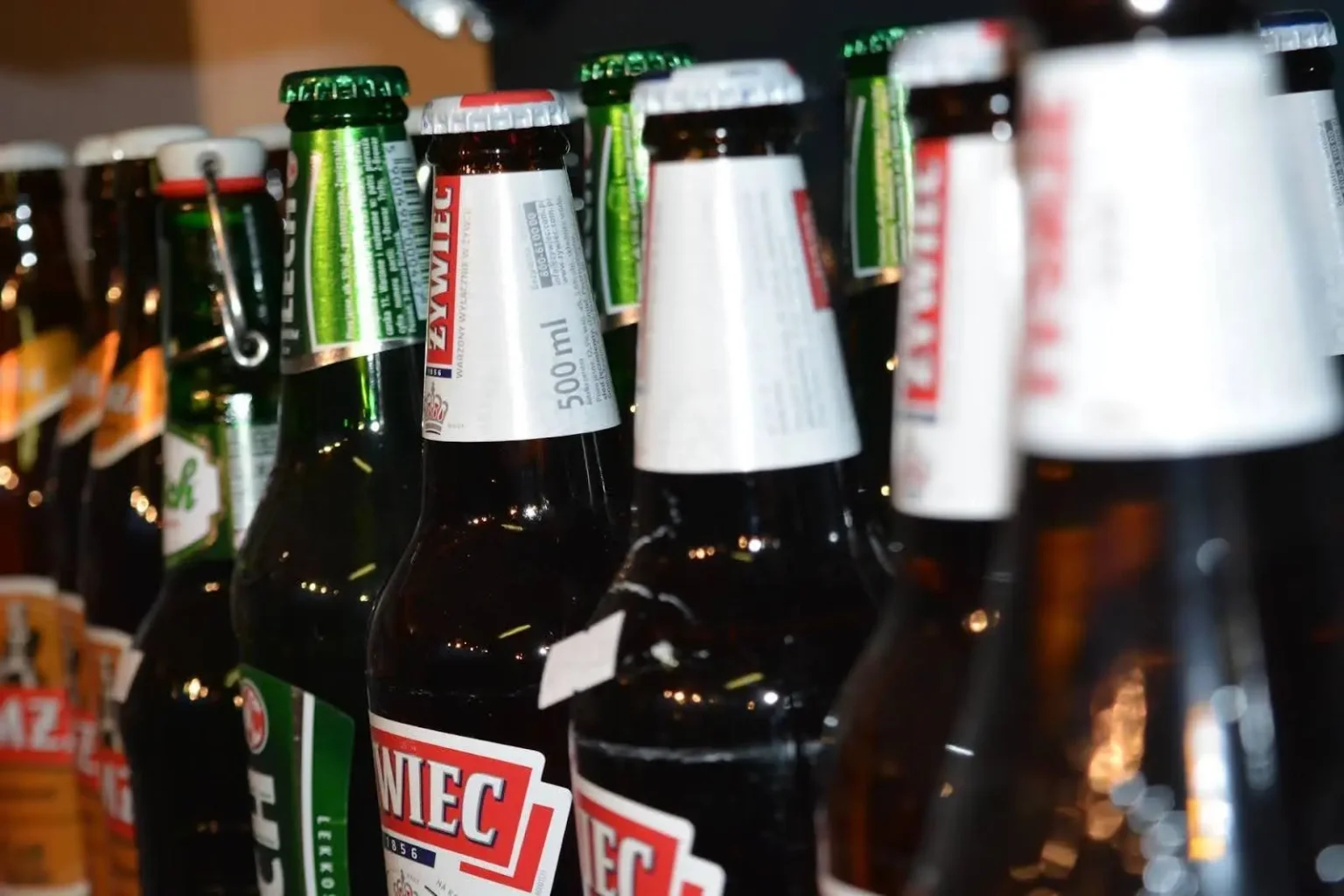
In the world of product packaging and identification, labels serve as the silent ambassadors of brands, conveying essential information while creating lasting impressions on consumers. While much attention is often paid to label design, colors, and graphics, one critical component frequently operates behind the scenes without receiving the recognition it deserves: the adhesive. This seemingly simple element plays a fundamental role in determining whether a label succeeds or fails in its intended purpose, making it far more important than most people realize.
The adhesive that bonds a label to its surface represents the foundation upon which all other label functions depend. Without proper adhesion, even the most beautifully designed label becomes ineffective, potentially compromising brand integrity, regulatory compliance, and customer satisfaction. Understanding the significance of label adhesives opens up a world of possibilities for businesses seeking to optimize their packaging and labeling strategies while ensuring their products make the right impression in the marketplace.
The Hidden Foundation of Label Performance
Beyond Sticking Power
When most people think about label adhesives, they envision a simple glue that makes things stick together. However, modern label adhesives represent sophisticated chemical formulations designed to address specific challenges and requirements. These formulations must balance numerous factors, including initial adhesion strength, long-term durability, removability when necessary, and compatibility with various surface materials and environmental conditions.
The complexity of adhesive science becomes apparent when considering the diverse range of applications labels must serve. From freezer-grade products that endure extreme cold to outdoor equipment labels exposed to harsh weather conditions, each application demands carefully engineered adhesive properties. The adhesive must maintain its performance characteristics throughout the product’s entire lifecycle, adapting to temperature fluctuations, humidity changes, and physical stresses that would challenge lesser formulations.
The Science of Surface Bonding
Different surfaces present unique challenges for label adhesion, requiring specialized adhesive formulations to achieve optimal performance. Smooth surfaces like glass or metal create different bonding requirements than textured surfaces like corrugated cardboard or plastic containers with specific surface treatments. The adhesive must form molecular bonds with the surface material while accommodating the physical characteristics and potential surface irregularities.
Surface energy, porosity, and chemical composition all influence how adhesives interact with different materials. High-energy surfaces typically accept adhesives readily, while low-energy surfaces require specially formulated adhesives designed to overcome natural bonding resistance. Understanding these interactions helps explain why some labels perform excellently on certain surfaces while struggling on others, even when the visible label materials appear identical.
Environmental Challenges and Adhesive Solutions
Temperature Extremes and Performance Consistency
Temperature variations present some of the most significant challenges for label adhesives, requiring formulations that maintain performance across wide temperature ranges. Cold storage applications demand adhesives that remain flexible and maintain bonding strength even when exposed to freezing temperatures for extended periods. Conversely, high-temperature applications require adhesives that won’t soften, flow, or lose adhesion when exposed to heat during manufacturing processes or end-use conditions.
The thermal cycling that occurs in many applications adds another layer of complexity to adhesive performance requirements. Labels may experience repeated temperature fluctuations throughout their service life, requiring adhesives that can expand and contract with the substrate without losing adhesion or developing stress concentrations that could lead to failure.
Moisture and Chemical Resistance
Environmental exposure to moisture, chemicals, and other contaminants can significantly impact label performance, making adhesive selection crucial for long-term success. Waterproof adhesives protect against moisture intrusion that could compromise the label-substrate bond or affect the label materials themselves. Chemical resistance becomes particularly important in industrial applications where labels may encounter cleaning agents, solvents, or process chemicals.
The adhesive must also resist degradation from ultraviolet light exposure, ozone, and other environmental factors that could affect long-term performance. These considerations become especially important for outdoor applications where labels face constant exposure to varying weather conditions and environmental stresses over extended periods.
Industry-Specific Adhesive Requirements
Food and Beverage Applications
The food and beverage industry presents unique challenges for label adhesives, requiring formulations that meet strict safety standards while delivering reliable performance. Food-contact applications demand adhesives that comply with regulatory requirements for direct and indirect food contact, ensuring consumer safety while maintaining effective labeling performance.
Refrigerated and frozen food products require specialized adhesives that maintain flexibility and adhesion strength at low temperatures while resisting moisture from condensation. Hot-fill applications present the opposite challenge, requiring adhesives that can withstand elevated temperatures during the filling process while maintaining long-term performance throughout the product’s shelf life.
Medical and Pharmaceutical Labeling
Medical and pharmaceutical applications demand the highest levels of adhesive performance and reliability, as labeling failures could have serious consequences for patient safety and regulatory compliance. These applications often require adhesives that maintain sterile conditions while providing tamper-evident properties and long-term durability.
Pharmaceutical labels may need to withstand sterilization processes, including gamma radiation, ethylene oxide treatment, or steam sterilization, requiring specially formulated adhesives that maintain their properties throughout these challenging processes. The adhesive must also resist degradation from pharmaceutical compounds that might migrate through packaging materials.
Industrial and Automotive Applications
Industrial applications often subject labels to extreme conditions that push adhesive performance to its limits. High-temperature engine environments, chemical exposure, vibration, and mechanical stress all challenge the adhesive bond in ways that typical commercial applications never encounter.
Automotive labels must withstand paint processes, including high-temperature baking cycles, while maintaining readability and adhesion throughout the vehicle’s operational life. These demanding applications require specially engineered adhesives that can survive harsh manufacturing processes while providing years of reliable service in challenging operational environments.
The Economics of Proper Adhesive Selection
Long-Term Value and Performance
While premium adhesive formulations may represent higher initial costs, they often provide superior long-term value through improved reliability and reduced failure rates. Label failures can result in significant costs beyond the replacement label expense, including labor costs for reapplication, potential product recalls, and damage to brand reputation.
Proper adhesive selection helps optimize overall labeling system performance, reducing waste from failed applications and improving operational efficiency. When labels perform as intended throughout their service life, businesses avoid the disruptions and costs associated with premature label failure.
Quality Assurance and Consistency
Consistent adhesive performance contributes to overall quality assurance programs by ensuring that labels maintain their integrity and legibility throughout the product lifecycle. This consistency becomes particularly important for regulatory compliance applications where label degradation or failure could result in violations or safety concerns.
High-quality adhesives also contribute to manufacturing efficiency by reducing application problems and improving the reliability of automated labeling systems. Consistent adhesive performance helps maintain production schedules and reduces downtime associated with labeling equipment problems or quality issues.
Innovation in Adhesive Technology
Sustainable and Environmentally Conscious Solutions
Modern adhesive development increasingly focuses on sustainability and environmental responsibility, creating formulations that deliver excellent performance while minimizing environmental impact. Bio-based adhesives derived from renewable resources offer alternatives to traditional petroleum-based formulations while maintaining the performance characteristics required for demanding applications.
Recyclable and compostable adhesive options support circular economy initiatives by enabling easier separation and processing of labeled materials at end-of-life. These innovations demonstrate how adhesive technology continues to evolve to meet both performance requirements and environmental stewardship goals.
Smart Adhesive Technologies
Emerging adhesive technologies incorporate intelligent features that respond to specific conditions or provide additional functionality beyond basic adhesion. These smart adhesives might change color to indicate temperature exposure, provide tamper-evident features, or offer removability triggers that activate under specific conditions.
These advanced formulations represent the cutting edge of adhesive science, offering new possibilities for product protection, authentication, and user experience enhancement. As these technologies mature, they will likely find applications across numerous industries where enhanced functionality can provide competitive advantages.
Label adhesives represent far more than simple glue, serving as sophisticated chemical systems engineered to address specific performance requirements while supporting broader business objectives. The importance of proper adhesive selection extends beyond basic sticking power to encompass regulatory compliance, brand protection, operational efficiency, and customer satisfaction.
Understanding the critical role that adhesives play in label performance helps businesses make informed decisions about their labeling strategies while recognizing the value of working with knowledgeable partners who understand both adhesive technology and application requirements. The investment in proper adhesive selection pays dividends through improved reliability, reduced costs, and enhanced product presentation.
As adhesive technology continues to evolve with new sustainable formulations and smart features, the opportunities for improved labeling performance will continue to expand. Businesses that recognize the importance of adhesive selection and work with experienced partners will be best positioned to take advantage of these advances while ensuring their labeling needs are met with the highest levels of performance and reliability.
The complexity and importance of label adhesives underscore the value of partnering with companies that understand both the science and the practical applications of these critical components. Success in labeling depends not just on attractive design and high-quality materials, but on the foundation of properly selected and expertly applied adhesive systems.
Contact our team to discover how our expertise in adhesive technology and commitment to exceptional service can help optimize your labeling solutions for superior performance and long-term success.